Function of fabric softener
The effect of fabric softener on clothes is quite different from that of detergents. Detergent is to separate the dirt from the clothes, and the detergent itself should also be separated from the clothes after washing. Therefore, it can be said that the effect of detergent on clothes is "subtraction". The effect of fabric softener (fabric softener) on clothing is to be adsorbed by the fiber and remain on the clothing. Therefore, it can be said that the fabric softener is "addition" to clothes.
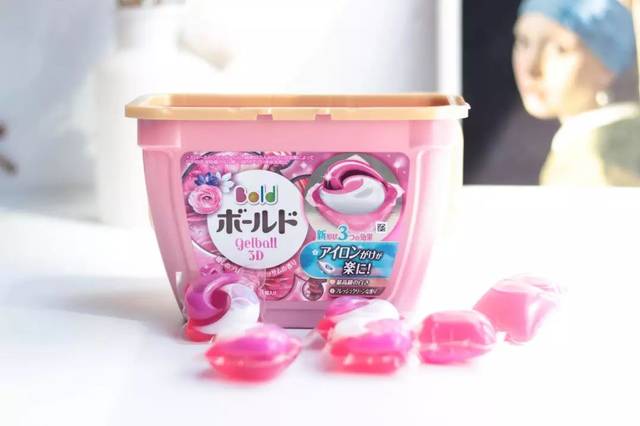
The application scope of fabric softener is mainly for clothes that need fluffy and soft, such as woolen sweater, cashmere sweater, blanket, towel, bath towel and some underwear. Sometimes in order to make the living atmosphere more warm, some textiles in the family, such as curtains, sofa covers and so on, will also use softener treatment.
Fabric softener is a kind of finishing agent which is often used after washing. It is mainly made of cationic surfactant. The main functions are as follows:
1. To improve the state of the fiber so that it can recover after wearing or washing. Keep fluffy, soft and relatively natural.
2. Reduce the friction coefficient between fibers, so that the fibers can freely relative movement, improve the handle of the fabric.
3. After the fiber adsorbs the softener, the water repellency of the fabric is improved.
How about using fabric softener often?
Nowadays, more and more families will have the shadow of fabric softener. However, according to the investigation and study of health experts, there are many toxic chemicals in these clothing softeners. If used for a long time, the central nervous system will be seriously damaged.
According to the data of the Environmental Protection Agency (EPA) and the chemical safety data sheet (MSDS), the clothing softener contains a variety of dangerous chemical components, including benzyl acetate, agar alcohol, limonene, benzyl alcohol and chloroform. Benzyl acetate, one of the components, may cause pancreatic cancer. Its gas can irritate the eyes and respiratory tract, causing cough, which can be absorbed through the skin; benzyl alcohol can stimulate the upper respiratory tract, cause central nervous system disorder, and cause headache, blood pressure drop, vomiting, nausea and other symptoms.
Limonene is a known carcinogen, which can stimulate eyes and skin; agarol has anesthetic effect, which can cause central nervous system imbalance and respiratory obstruction, and even cause death of test subjects in animal experiments; chloroform is a narcotic and carcinogenic substance toxic to nerves, which has been listed in the list of hazardous wastes by the United States Environmental Protection Agency. Most of these chemicals are more dangerous when heated in a dryer.
As softeners remain in clothing, these chemicals are slowly released into the skin or into the air. To make matters worse, most fabric softeners add fragrance to mask chemical odors. For children, the elderly and patients, long-term exposure to these chemicals is particularly dangerous and can even cause permanent damage. Children may have a rash, prolonged crying or diarrhea. Some researchers even pointed out that some cases of sudden infant death were caused by allergic reaction, and children's clothes and bedding washed with fabric softener were likely to be one of the causes of allergy.
If you want to make your clothes soft, try the following. They are not only not harmful to health and environment, but also more economical. 1. Pour 1 / 4 cup baking soda into the washing machine to soften clothes. Or pour in 1 / 4 cup white vinegar or soften your clothes (but don't use bleach at the same time). 2. Put the clothes on the clothesline to eliminate static electricity. 3. Put a small piece of aluminum foil into the dryer with clothes to avoid static electricity. 4. Install the water softener. 5. If you must use a fabric softener, choose a softener that contains natural ingredients as much as possible.