We often see many people raising dogs and cats as pets. However, while enjoying the fun of raising dogs and cats, we must accept their shortcomings. For example, they need a lot of space for activities. For example, they can't bear loneliness and need their owners to accompany them all the time. Therefore, many people pet owners do not choose this kind of popular pet, but turn their eyes to the pet of a smaller number. Among them, chinchilla is loved by many people. So how much do you know about the breeding of chinchillas?
Species introduction
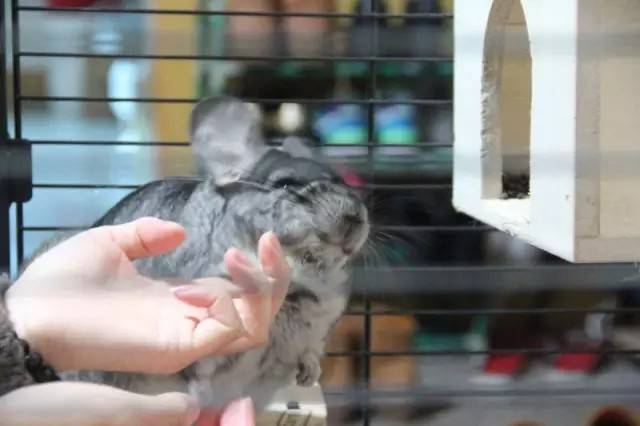
The scientific name of chinchilla is South American chinchilla. As the name implies, its ancestor is a rodent living in South America. Although his name is chinchilla, he has nothing to do with cats. It can even be said that cats are its natural enemies. Where does its name come from? It turns out that its shape and Miyazaki's cartoon film "Totoro" in that cute big chinchilla similar, hence the name. Later, people preferred to call him chinchilla and forgot his original name.
Chinchilla is gentle, lively and lovely, curious and independent. From small to large, chinchillas recognize their owners and are very willing to play with their owners. Because of their strong physique, chinchillas have a very long life span of about 20 years among rodents, so don't worry about it won't accompany you for a long time.
As a pet, chinchilla has its own unique conditions. Its thick, thick and soft fur has been sought after by many people, but it was once on the verge of extinction. Nowadays, there are more and more cultured chinchillas. However, it is difficult to find the trace of wild chinchilla in the origin. They are gradually changing from wild creatures to docile pets in many people's hands.
Breeding methods of chinchilla
First of all, starting from the breeding environment, the suitable temperature range for chinchilla is between 18-24 degrees centigrade, which likes a cool and ventilated environment. Because of its thick fur, it can effectively resist the cold, but summer is definitely a difficult season, you should pay attention to the summer heat prevention and cooling.
The cage can be double or triple cage, so that the chinchilla can move freely in it. The principle is big. The bigger the scope of ability, the better. Chinchilla is timid. It's better to put a small house in the cage, which will relieve its tension. The kettle for drinking water is the same as the rabbit.
Chinchilla's intestines and stomach are very fragile, so we must pay more attention to feeding. We can use herbage as staple food or special concentrate feed. A large amount of Alfalfa will lead to the obesity of chinchilla. But alfalfa is one of the main foods, so timothy grass and barley grass can be used as auxiliary feeding. Tooth stick, dried fruit, snacks and other suggestions or more prepared, so as not to use up the time. The water bottle used by chinchilla for drinking water is the same as that for rabbits. The reason is needless to say. We all know that the daily water intake can reach about 50 ml. we must give pure water or cold water.
Chinchilla is a very clean animal. It can take a bath with its own bath sand, so don't worry about its bathing problem. Put a bathtub in the cage and pour in the bath sand. He can solve it by himself.
Notes on keeping chinchilla
About the basic breeding of chinchilla is so simple, chinchilla physique is very strong, generally will not get sick. However, these details should be paid attention to in case of emergency during the feeding process.
1. Bathing: chinchilla can use bath sand to solve the problem by itself, absolutely can't use water to wash. If chinchilla doesn't take a bath, the owner can help him, twice a week is enough. In summer, the metabolism speed of chinchilla is accelerated, and their hair follicles will secrete more grease I, which makes their hair look a little sloppy, and it is particularly easy to hide dirt. It is necessary to help them take a bath regularly. You can't use water to bathe in chinchilla. It's OK to use the special dragon cat bath sand directly. In the process of rolling and shaking, the fine bath sand can clean up the dirty things on the body. It is not recommended to use hamster bath sand instead. Hamster bath sand looks almost the same, but the powder is coarse, which easily leads to the blockage of chinchilla's pores.
2. Chinchilla is very timid. It only shows closeness to the director. Therefore, try not to let strangers touch him at will.
3. The water that chinchilla drinks must be clean, because its intestines and stomach are fragile. And regularly clean the water drinking device and feeding cage.
4. Temperature: it may be cooler after rain in summer. You can put chinchilla in a cool and ventilated place to enjoy the cool. In order to save electricity, you can also think of other cooling methods, such as electric fans or ice boxes placed next to the cage, as long as you can try to cool down. However, the fan should not be blown at the chinchilla for a long time. It is easy to let them catch cold. The problem of condensation water in the ice box needs to be solved to avoid the cage of chinchilla from getting wet. It's also practical to prepare ice beds for them when the weather is not too hot.
5. Chinchilla is very delicate. If you find that it takes paper towel and other things back to its nest, you should consider whether the ambient temperature is not suitable and adjust it in time.
6. Many people will interact with chinchilla. It is undeniable that it is a highly interactive animal. However, this does not change the fact that it is timid. Chinchilla likes that you will jump around you. At this time, you must respond, but you can't be rude. You can touch it. Don't pull its tail. If you don't want to be revenged by him.
7. Don't try to catch him when he is active. It's very physical, and chinchilla is also easy to be frightened.
8. Chinchilla's eyesight is very poor, and the beard is particularly important as his perception channel, so don't do anything on it.
9. Chinchilla has poor digestive capacity and likes to eat fresh, tender and juicy food. In general, the house is fed with hay for convenience, which can only play the role of the belly. Some fruits and vegetables can be appropriately given to promote digestion and excretion, but the vegetables and fruits with too much water should not be given, which is easy to cause chinchilla diarrhea.
The high temperature environment in summer provides a strong growth condition for the growth of bacteria. The chinchilla originally lived in the cage most of the time. In the environment of bacteria breeding, it has brought great threat to their health. And if you are lazy, the smell of a chinchilla cage is hard to bear. Daily cleaning cage should not be careless, and often carry out cleaning and disinfection, can effectively protect the health of chinchilla.
Every chinchilla has its own personality, clever, naughty, reserved or neurotic, but no matter how the character of the chinchilla you raise, you need to pay attention to him and protect it. It has been a kind of fate that it can come to your side, and will spend a lifetime with you. For him, you are all it is. So be patient with him. What he can give you is not only the fun of feeding, but also more.